There are several theories on how the Bowen Technique works
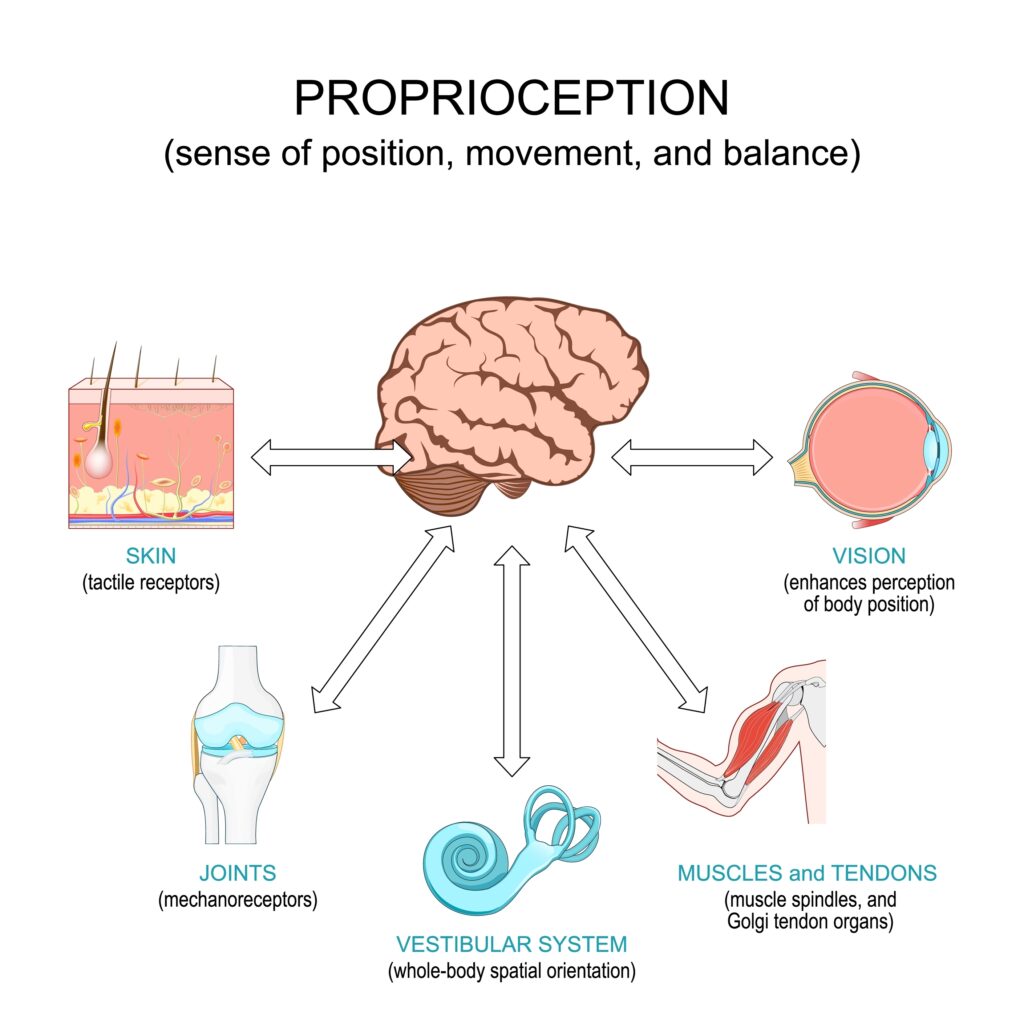
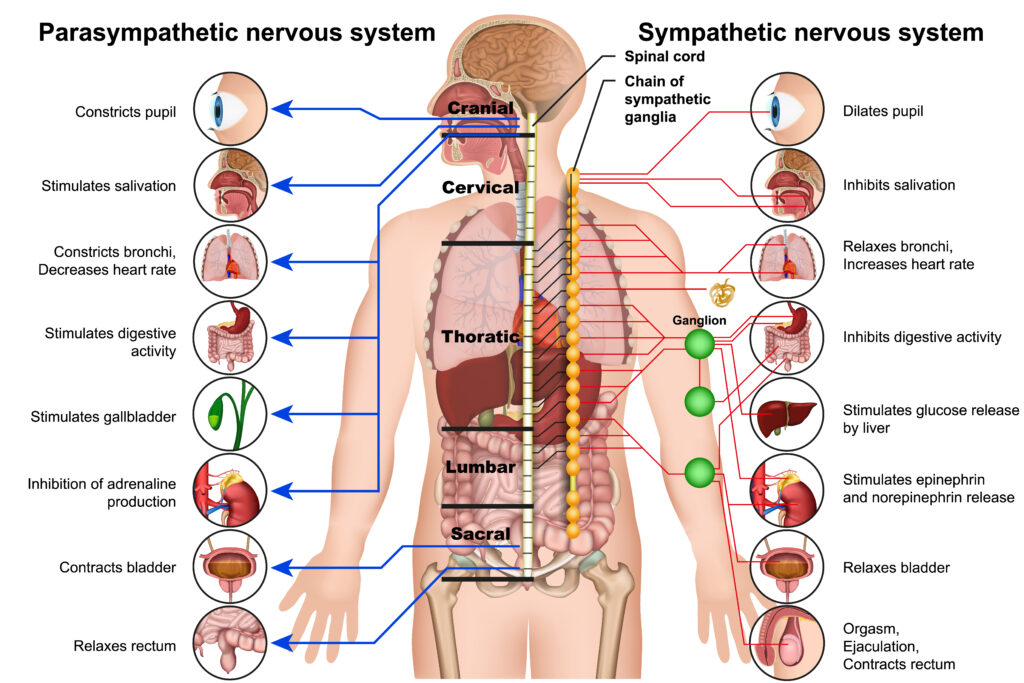
One theory suggests that Bowen “moves” stimulate the proprioceptors, which are sensory fibers at the end of the peripheral nervous system. This encourages the body to realign and return itself to its natural state of health. Proprioceptors provide the perception of the body’s position and movement situated within connective tissue, muscle, tendons, ligaments, and fascia.
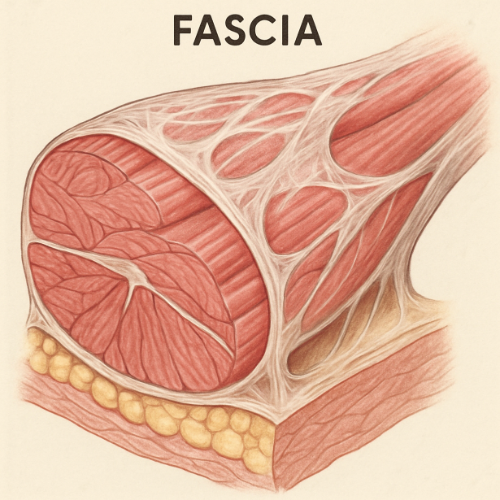
One type of receptor and in particular the Nociceptor plays an important role in the effectiveness of the Bowen treatment. Nociceptors are preferentially sensitive to noxious stimulus, which is potentially or actually damaging to body tissue. They are sometimes called pain receptors, although this term is misleading, because pain is interpreted at higher levels of the brain. Nociceptors are found in most tissues in the body, but are particularly prevalent in the fascia, a sheet of fibrous tissue, which wraps, encases, supports and suspends muscles, tissue, and other organs of the body. The fascia creates space between each muscle group, individual muscles and individual fibres, right down to the microscopic level, allowing an optimal and healthy movement of fluid to all the muscles and joints in the body.
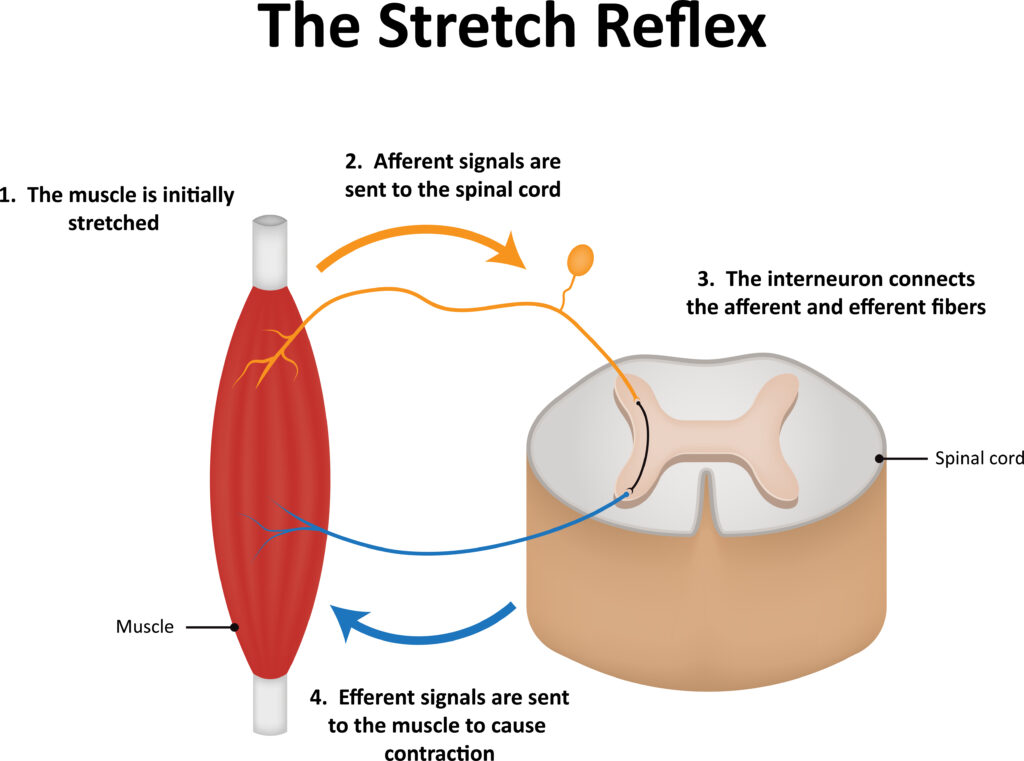
When the body receives an injury such as a broken toe, the Nociceptors send a reflex response at 70-120 meters/second along the efferent fibres to the thalamus located in the brain. This information is then processed by the cortex and then sent back along different fibres to the trauma site, to begin the healing process, by contracting the muscles and initiating inflammation of the area. If the pain persists for a long time, the fascia remains contracted to protect the painful part, causing dysfunction or restriction of movement of the tissue it surrounds. Even when the bone has healed, we continue to limp, because the fascia restricts movement and continues to remain in the same position.
With each Bowen move, the fascia is rocked and minutely “disturbed”, but is not forcefully separated. When fascia adhesions are loosened and the connective scar tissue softens and shrinks, the fascia is able to reduce its tension. The musculoskeletal structures are then able to increase their range of motion and utilize their full strength potential and in addition nerves, blood vessels and lymph nodes located in this released tissue are able to function more optimally.
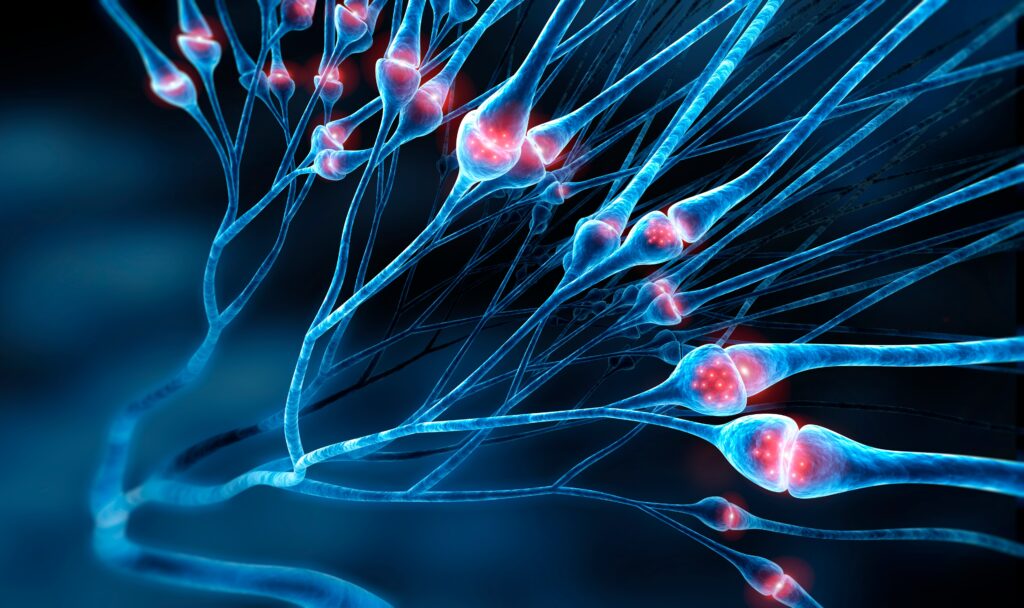
By stretching the collagen fibres and altering the format of the connective tissue with the low intensity of the Bowen moves, the nociceptors within the fascia and connective tissue are stimulated to transmit a non-noxious impulse through the central nervous system to the cortex and the cortex recognizing this information, initiates the healing process for this stage of repair. It transmits a message through the efferent fibres, to remove the inflammation and relax the muscle fibres and connective tissue.
An alternative explanation
A Bowen move activates the following mechanisms for self-healing: